
Summary
- Release Year: 2017
- Genres: Role-playing game (RPG)
- Platforms: PC (Microsoft Windows), PlayStation 4, PlayStation Vita
- Developers: Dragoon Entertainment
- Publishers: Dragoon Entertainment
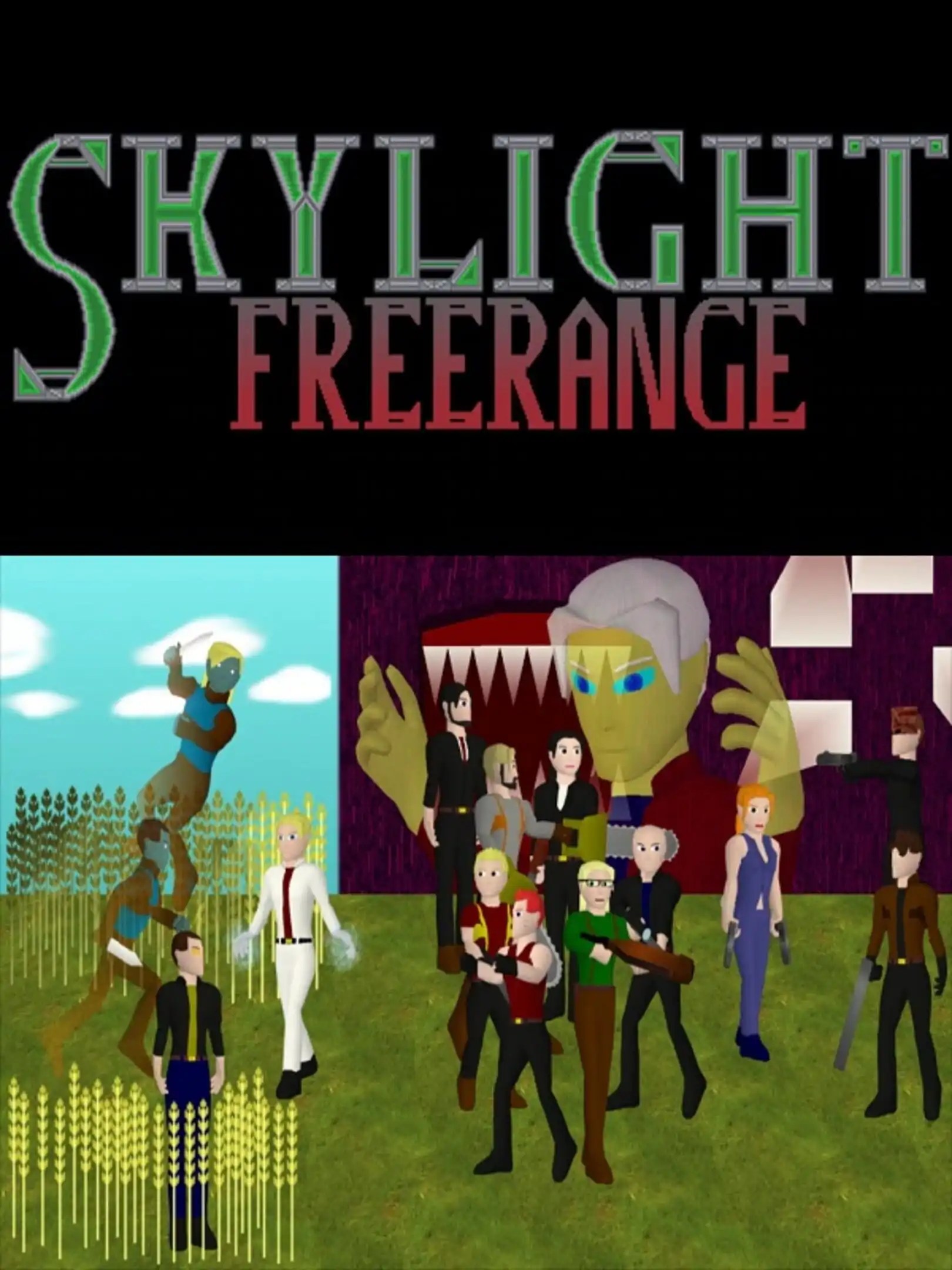
Skylight Freerange looks, at first glance, like a lost cartridge you’d pull from a dusty pawn-shop bin: 16-bit sprites, chiptune throb, menus that beep like an old CRT. Boot it up, though, and you’re greeted by a disclaimer that the game’s fictional Manitoba has just endured the “Great Firestorm,” a cataclysm triggered by a rogue government agency called Severin. Society didn’t collapse—it adapted. Winnipeg’s downtown is now a neon-drenched sprawl of reaver gangs, drone patrols, and holographic maple-leaf propaganda. It’s a cyberpunk setting that trades the usual rain-soaked Tokyo for snow-blown Canadian prairies, and it’s instantly clear that this isn’t a cheap nostalgia grab. It’s a 60-hour, open-world JRPG built by two brothers in a basement over five years, and it wants to punch far above its weight class.
Story – Choice avalanche You play as a customizable “Freeranger,” an ex-Severin operative who’s either trying to atone for the Firestorm or exploit the chaos for personal gain. The inciting quest sounds simple: dismantle the four reaver factions carving up the province. How you do it is where the game goes wild. Every named NPC has a disposition meter that shifts on dozens of variables—who you recruit, which districts you liberate first, whether you hack ATMs or donate to homeless shelters. The writers claim “over 100 endings,” and while many are permutations rather than wholesale divergences, the sheer granularity is intoxicating. In one playthrough I peacefully merged two gangs via a 40-minute negotiation chain; in another I sparked a civil war that locked off an entire city sector for good. The script is unapologetically Canadian—expect slang like “bunny-hug” (hoodie) and side quests involving illegal maple-syrup cartels—but the themes of reconciliation, colonial guilt, and restorative justice land with sincerity rather than meme fodder.
Gameplay – Turn-based, but make it sandbox Combat is a hybrid of Chrono Trigger’s visible encounters and Trails in the Sky’s grid-based tactics. You field up to six party members in real-time-turn-based clashes: position a brawler on the same row as a sniper and they unlock a tandem shot; leave a support unit adjacent to a tank and they’ll auto-share buffs. The depth comes from the 300-plus passive abilities—called “Protocols”—that drop as random loot. Theory-crafters can break the game (my favorite: stacking “Frost Armor” with “Overclock” to reflect 400 % damage), but the enemy scaling is smart enough to punish one-trick builds on hard mode. Outside battle, the entire map is open from hour two. You can jet-ski across Lake Winnipeg, infiltrate a reaver stronghold at level 5, or spend 10 in-game days managing a community garden to raise morale. Fast travel is tied to a “snowmobile license” that can be revoked if you rack up too many traffic violations—yes, the game tickets you for running red lights even during an apocalypse.
Progression – Loot, love, and lumberjack fashion Gear is randomized Diablo-style, but with Canadian flavor: “Toque of the Moose Lord” adds frost resist and +10% poutine healing. Romance options are bisexual and polyamorous; gifting a partner a handcrafted bracelet (crafted from scrap loot) can unlock unique combo finishers. The crafting system is absurdly deep—every junk item decomposes into polymers, metals, or “eh-essence,” the catch-all magic mineral. By endgame you’ll be 3-D-printing plasma axes in the back of a converted Tim Hortons. The only gripe: inventory management is a Tetris mini-game that feels cute for the first hour and tiresome by hour 40.
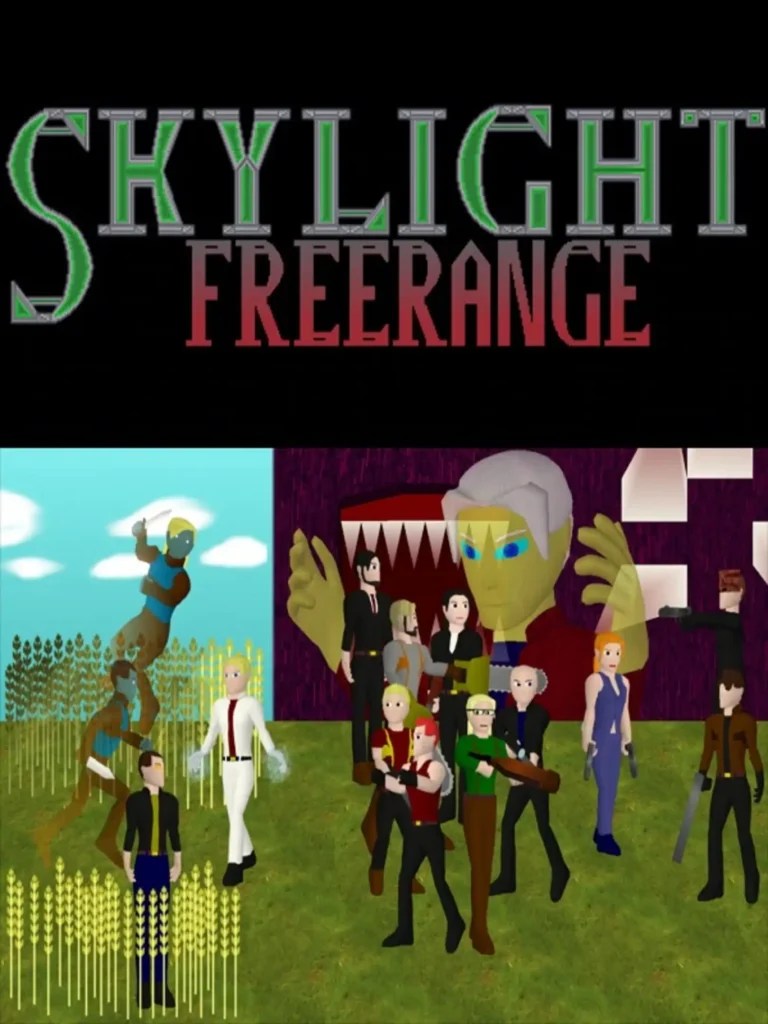
Presentation – 32-bit pixel art meets synthwave Character sprites are chunky, but the lighting engine is modern: auroras ripple across night skies, streetlights cast dynamic shadows, and snow degrades into slush as battles drag on. The soundtrack leans heavy on FM-synth and distorted guitar—think Anamanaguchi meets Rush. It’s the rare OST I’d spin on Spotify unironically. Performance on Switch (the port launched in 2022) holds 60 fps in handheld, but city crowds can dip to mid-40s. PC is rock-solid even on a GTX 970. Load times are sub-two seconds thanks to a clever segmentation of the overworld into bite-sized chunks.
Length & replay value – Bang for your buck A critical-path run took me 28 hours; completionists report 80. New Game+ carries over your Protocol library and adds “Ironman Manitoba,” a permadeath mode with exclusive bosses. A $12.99 USD price point (frequently on sale for $7.99) makes this one of the highest hour-to-dollar ratios on Steam. The only DLC is a free “Frostbite Pack” that adds winter-survival mechanics—optional, but a nice gesture.
Bugs & polish – Indie jank, but not game-breaking In 35 hours I hit two soft-locks during fast travel and one quest that refused to advance until I rebooted. A day-one community patch (version 1.4.2) squashed the worst offenders. The two-person studio is active on Discord and pushes hotfixes weekly—an encouraging sign for a game that could’ve been abandonware.
Accessibility & difficulty – Welcoming to newcomers Color-blind players can toggle high-contrast outlines; subtitles scale to 200 %; there’s a “Story Only” mode that auto-wins battles. Conversely, masochists can enable “Permanent Winter,” where every in-game day lowers global temperature, eventually locking vendors indoors. It’s a brilliant nod to Frostpunk fans.
Verdict – Should you play it? Skylight Freerange is the rare indie that swings for the fences and doesn’t whiff. Its ambition occasionally exceeds its grasp—voice acting is community-theatre level, and late-game balance skews toward grind—but the sheer volume of reactive storytelling, tactical combat, and Canadiana charm makes it essential for JRPG devotees starved of innovation. If you’ve ever wished Suikoden’s army battles were set in a snow-covered Winnipeg, or longed for an open-world Persona where you can negotiate with hockey-masked ravers, this is your game. At under 15 bucks, it’s cheaper than a plate of poutine and lasts 20 times longer. Bundle up, grab a toque, and give Manitoba’s hidden gem the shot it deserves.
Review Score
7.5/10
Art
Cover Art
Screenshots

