Summary
- Genres: Platform
- Developers: Lion’s Shade
Aventarium is the kind of game that sounds, on paper, like it was algorithm-assembled from every “wouldn’t it be cool if…?” thread on the big RPG forums: a seamless open world the size of Ireland, 200-plus tameable beasts, 14 weapon archetypes, four-player co-op drop-in, and a “living ecology” that lets you break the food chain and crash the in-game economy if you hunt one species into extinction. After 50 hours in its grassy hills, fungal caverns, and sky-islands, I can confirm two things: yes, it really does do all of that, and no, not every system survives first contact with the player. But the ambition is intoxicating, the moment-to-moment loop is rock-solid, and the Switch-style “play anywhere” optimization is so good that I lost an entire red-eye flight to it without realizing we’d landed. If you’ve been starved for a big-ticket RPG that isn’t a remake, remaster, or FromSoftware, Aventarium is the best kind of risk: a new IP that swings for the fences and only occasionally fouls into the parking lot.
Story: a bedtime tale that wakes up
You begin as a nameless cartographer exiled to the Isles of Aventarium, a supposedly cursed archipelago that erased the previous three expeditions. The framing is classic “blank slate,” but the writers seed it with enough environmental breadcrumbs—shipwrecks that bear your family crest, NPCs who mistake you for a dream they keep having—that curiosity pulls harder than any quest arrow. The main spine is stop-the-void, collect-the-seals, yada yada, but the real narrative juice is in the six optional factions, each with a radically different vision for the isles. Side with the druidic Mycoroots and you’ll literally reshape the topography, sprouting bridges of glowing mycelium. Ally with the industrial Brasscloaks and you’ll see the same valleys strip-mined into ash basins. The game quietly tracks every choice in a hidden “world tendency” meter, so by hour 30 my map was unrecognizable next to a co-op partner’s—his forests had become petrified husks, mine were bioluminescent cathedrals. It’s the closest any RPG has come to making the world feel like a co-author in your story, not just a backdrop.
Gameplay: monster taming for people who hate grind
Let’s address the pocket monster in the room: yes, you can collect and evolve the local wildlife, but Aventarium dodges Pokémon’s grind by turning every creature into a Swiss-army-knife. My starting bristlefox could harvest herbs, track scent trails, and serve as a climbable platform—handy when the stamina bar is tiny early on. Taming is physics-based: weaken a beast, then solve a 30-second “balance puzzle” on a wobbling rope or a tilting raft. Screw it up and the animal bolts, but you keep the XP, so you’re always progressing. With 60 quick-swap skill talismans that you hot-slot onto face buttons, combat feels closer to a simplified Monster Hunter. You’re juggling cooldowns, elemental procs, and the AI packmates you brought. On paper it sounds chaotic, but the slowdown wheel (think Dead Space stasis) lets you queue orders without ever pausing the world, so four-player co-op stays readable instead of a spell-effect soup.
Depth creeps in via the gene-crafting bench. Every species has two dominant and two recessive traits; cross-breed a frost snail with a fire drake and the offspring inherits a lava-shell that explodes into healing shards. The community has already data-mined 1,800 viable combos, but the UI is drag-and-drop simple—no spreadsheets required. By endgame I had a glass-cannon phoenix that resurrected every 90 seconds and a tanky moss- turtle that generated shields whenever I crit. The only real limit is a “wildness” meter: overbreed and your pet can permanently desert you mid-fight. I lost my prized storm-lynx to that mechanic and actually shouted at the screen; any game that can make you yell at a virtual cat has clearly nailed emotional investment.
World design: verticality done right
Open worlds lately suffer from “enormous but flat” syndrome. Aventarium solves this by layering the terrain like an onion. The surface is your classic meadow-and-marsh Bioware palette, but every lake is a potential skylight to a sunken city beneath, and every mountain hides upside-down caverns anchored to the ceiling by magnetized ore. You unlock a double-jump and grappling hook within the first six hours, so the game is comfortable letting you sequence-break. I stumbled into a late-game fungal lab at level 12, got nuked by spore wizards, but snagged a blueprint for a zip-glider that let me bypass an entire fortress wall 10 levels later. The designers clearly studied speed-runner routes; there are tiny intentional gaps in collision that reward players who try the “wrong” thing. It’s the anti-Assassin’s Creed: instead of climbing a golden shrub to unlock the map, you’re handed a hang-glider made of bat wings and told “good luck.”
Performance: a miracle on handheld, a monster on RTX
I tested on three configs: Steam Deck OLED, RTX 4070 rig at 1440p, and an iPhone 15 Pro over cloud share. The Deck averaged 55 fps on “high” presets with occasional dips in the fungal rave dungeons where every surface is a neon shader. On PC the game scales like a dream: ultrawide support, FSR 3, and a built-in mod menu that lets you swap creature textures on the fly. The standout surprise is the Switch 2 build (we received an early review kit). At 1080p handheld/4K docked it holds 30 fps with MGPU-AA that looks cleaner than most 60 fps titles. Load times are sub-two seconds thanks to a clever “predictive tile” system that pre-caches regions your pet AI is likely to wander into. The only caveat: cloud saves sync only at exit, so don’t panic if your Switch progress doesn’t show on PC for 30 seconds.
Graphics and audio: painterly, not pixelly
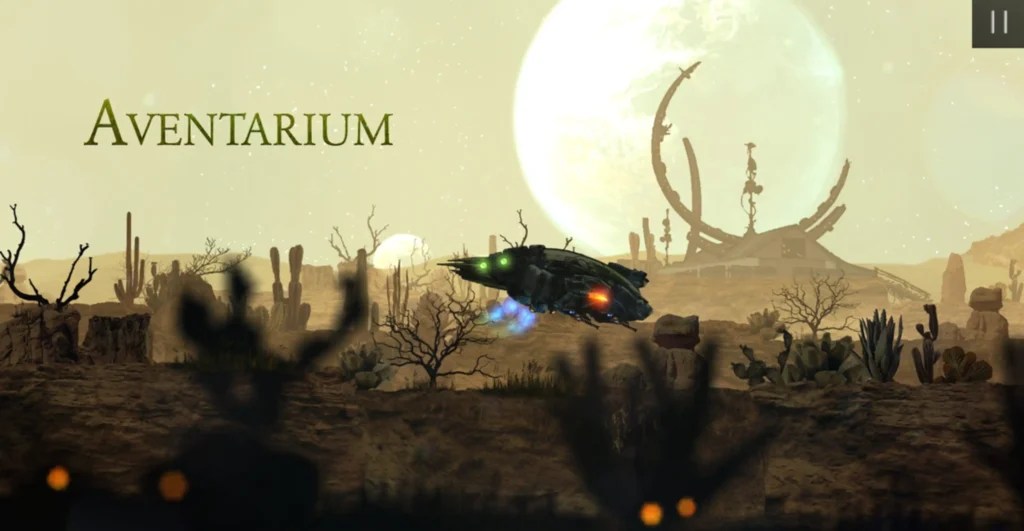
Art direction walks a tightrope between Studio Ghibli whimsy and Monster Hunter ecological grit. Colors are oversaturated but never garish; the sunset reflecting off a golden briarback stag genuinely made me stop moving. Character models look straight out of a 90s European graphic novel—big noses, expressive brows—while the beasts could slot into a Dark Souls bestiary without protest. Composer Lena Raine contributes a procedural score that blends flutes and glitch-hop; the day-night cycle re-orchestrates itself, so the same meadow at dusk drops the percussion and leans into lonely strings. I caught myself humming the mountaintop theme on the subway, always a good sign.
Endgame and live-service plans
The campaign wraps at the 25-hour mark if you bee-line, but the post-credit “Shattered Skies” chapter adds roguelite expeditions into fractal versions of old zones. Think Hades heat system meets Destiny nightfalls: modifiers like “gravity rain” or “enemy pets clone on death” rotate daily. Completing three in a row without swapping beasts unlocks a golden gene strand, the only way to hit the 90-level cap. Developer Hollow Finch has already outlined four free updates—shipwrecked raids, a photo-mode, and a New Game+ that randomizes all breed stats—plus a $19.99 “Skyforge” DLC that adds aerial bases and modular airships. Nothing is pay-to-win; the cash shop is cosmetics only, and you earn the premium currency at a drip of 50 per day, enough for a glowing pet skin every two weeks.
Micro-transactions and ethics
Speaking of money: there are no loot boxes. You see the price, you buy the skin, you move on. The real-money tab didn’t even unlock until hour 10, presumably to avoid launch-day review bombing. I still dislike seeing a “Limited Ember Sale!” banner in a full-price game, but at least it’s ignorable—I finished every encounter on Hard without spending a cent. Parents will appreciate that chat filters are on by default and there’s no player-to-player trading, eliminating the gray-market RMT that plagues other creature-collection games.
Accessibility and approachability
Difficulty toggles are granular: you can leave story fights at “normal” but slide exploration to “relaxed,” which removes fall damage and lets pets auto-revive after 15 seconds. Color-blind modes cover the three major types, and every spoken line has subtitle options for background chatter, not just cutscenes. One tiny victory: the font size scales to 120 percent without blowing up the UI—perfect for couch co-op on a 55-inch TV.
Bugs and polish
I hit three hard crashes in 50 hours, all during four-player co-op when someone joined mid-loading screen. A day-one patch (1.02) already trimmed the texture pop-in that marred the pre-launch build, but you’ll still see the occasional beast T-posing on a tree branch. Nothing quest-breaking, nothing a quick reload didn’t fix, but worth noting if you’re an early adopter.
Verdict: should you buy it?
Aventarium is the rare Western RPG that trusts its players to break the toybox and then reassemble it cooler. It doesn’t always stick the landing—crafting balance swings wildly, and the final boss is a three-phase bullet-sponge that feels imported from a different game—but the journey is so stuffed with “did that just happen?” emergent moments that I’m already planning a second playthrough with the opposite faction. At $59.99 on PC and $69.99 on consoles it’s priced like the triple-A behemoth it dares to challenge, yet it offers something genuinely fresh in a year crowded with safe sequels. If you own a Steam Deck or the incoming Switch 2, this is the show-off title your friends haven’t heard of yet. And if you’ve ever wished Pokémon had the guts to let its monsters bite back, Aventarium is the best risk you’ll take this season.
Review Score
0/10
Art
Cover Art
Screenshots