Summary
- Release Year: 2018
- Genres: Adventure, Indie, Role-playing game (RPG), Simulator, Strategy
- Platforms: PC (Microsoft Windows)
- Developers: Sergey Jakovlev
- Publishers: TAC Games
Survival Maze doesn’t waste time with cinematic prologues or hand-holding. You wake up in a dimly-lit concrete corridor that smells of rust and ozone, a flickering wrist-monitor showing 03:00:00 and counting down. One minute later the lights snap off, something howls in the distance, and you realise the maze has already started moving—literally. Every three minutes the walls shift, doorways realign, and your lovingly-drawn mental map turns into confetti. The game’s elevator pitch is deliciously simple: “Roguelike meets Pac-Man meets the pressure cooker scene from every spy thriller,” except here the spy is you, the gadgets are cobbled together from copper wire and prayers, and the exit is always one wrong turn away from becoming a death trap.
Core loop: sprint, scavenge, craft, hide, fight, repeat—often in the same breath. Each procedurally-generated labyrinth is broken into hexagonal chunks that lock together like a jigsaw. When the timer hits zero, the chunks shuffle, reopening some paths while sealing others for good. Early on you’ll pray for dead ends; later you’ll curse them when the only way forward is through a choke point patrolled by a blind, armoured juggernaut that hunts by sound. The shifting geometry is more than a gimmick; it’s the game’s heartbeat, forcing you to treat every supposedly “safe” room as temporary real estate. I’ve clocked forty runs and still yelp when a corridor I’d just cleared turns into a straight shot into an incinerator.
Combat sits somewhere between Alien: Isolation’s desperate improvisation and Hotline Miami’s one-mistake-restart brutality. Your starter stun baton chews through battery like a Tesla on mountain mode, so every swing is a question: “Do I really want to spend 15 % of my juice on this drone, or do I bait it toward the steam vent and hope the AI pathfinding borks?” Guns exist but they’re loud, rare, and usually come with three bullets—enough to delete one problem and summon five more. The real joy is MacGyvering traps: wedge a pressure plate under a bulkhead, daisy-chain some copper wire to a fuel canister, lure a pack of sprinting humanoids through, then slam the door shut and listen to the fireworks. The first time my rickety contraption actually worked I whooped so loud my cat left the room.
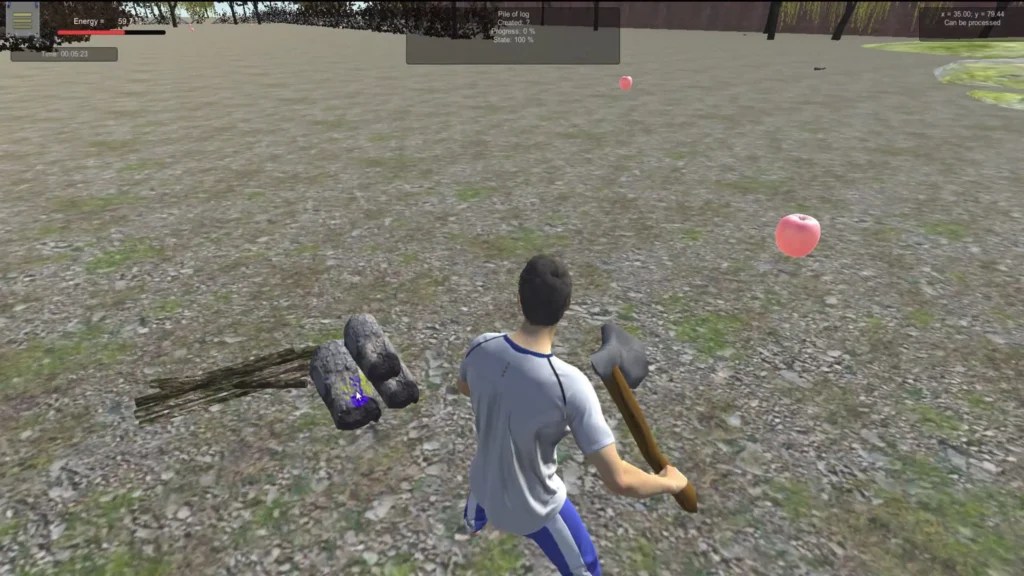
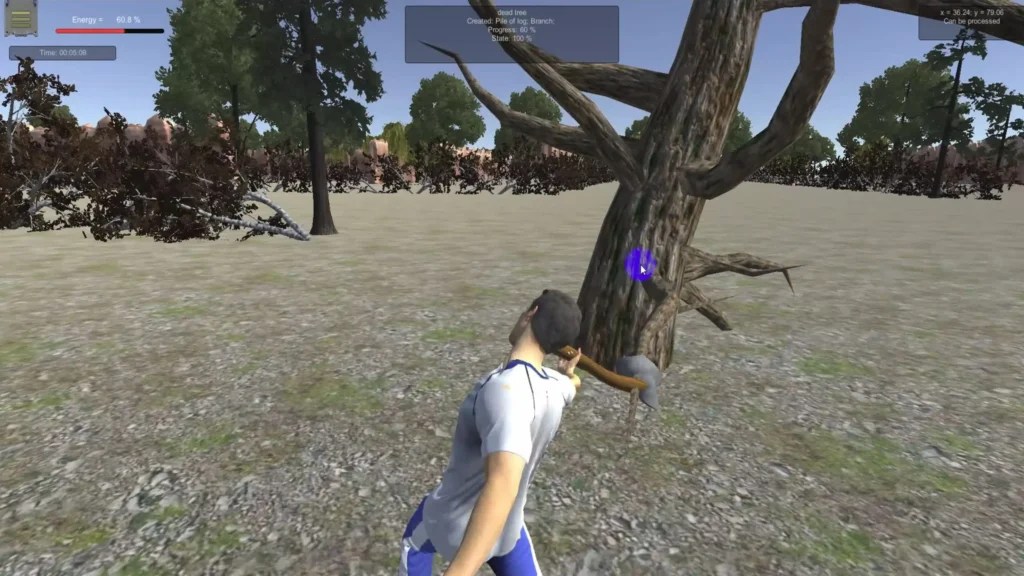
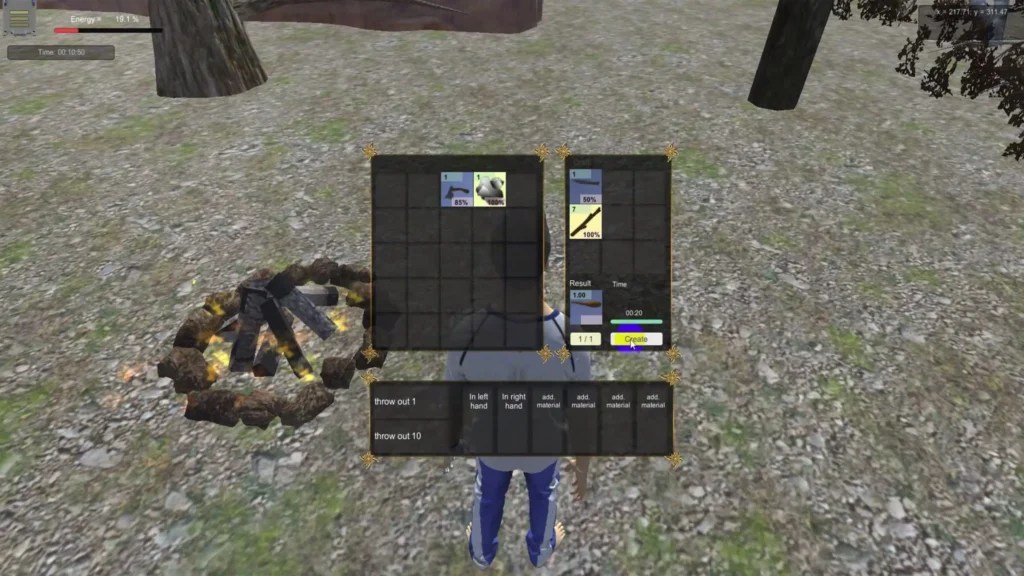
Resource scarcity is tuned with sadistic precision. Food and batteries share the same inventory grid, so late in a run you’re choosing between starving in two levels or entering the next blackout with a half-charge flashlight. The crafting benches—scarce as hens’ teeth—let you convert unwanted junk into precious med-packs or ammo, but every craft takes real-time eight seconds and the audio cue (clack-clack-whirr) is loud enough to draw predators. I’ve lost two 90-minute runs because I got greedy at a workbench. Fair? Maybe not, but the tension is intoxicating.
Story is told through environmental breadcrumbs: a child’s drawing of a sun taped above a bunk, a blood-smeared whiteboard calculating oxygen percentages, audio logs whose final entry always cuts to static at the worst moment. Together they sketch a loose narrative about a Cold-War-era bioweapon that repurposes living tissue into “maze adaptors.” The writers wisely keep things vague; piecing together how the maze came to be feels like gossiping about the hotel you’re trapped in rather than reading a wiki. There are three distinct endings, each gated behind a different finale biome (Arctic coolant tunnels, overgrown arboretum, zero-G reactor core), and the one you reach depends on which story fragments you collected. The true ending is worth the effort—an unsettling flourish that reframes every death as part of the maze’s digestive cycle.
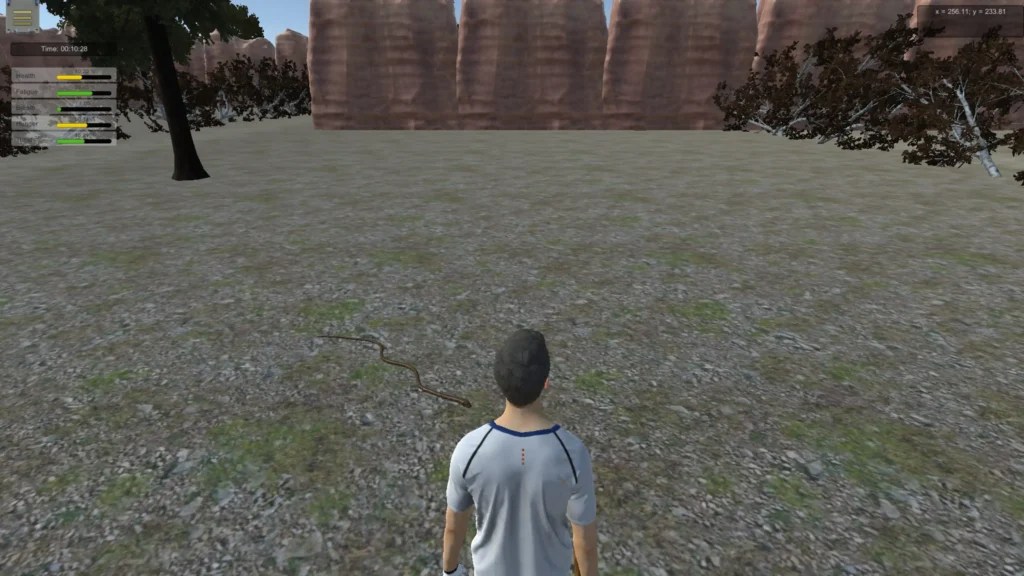
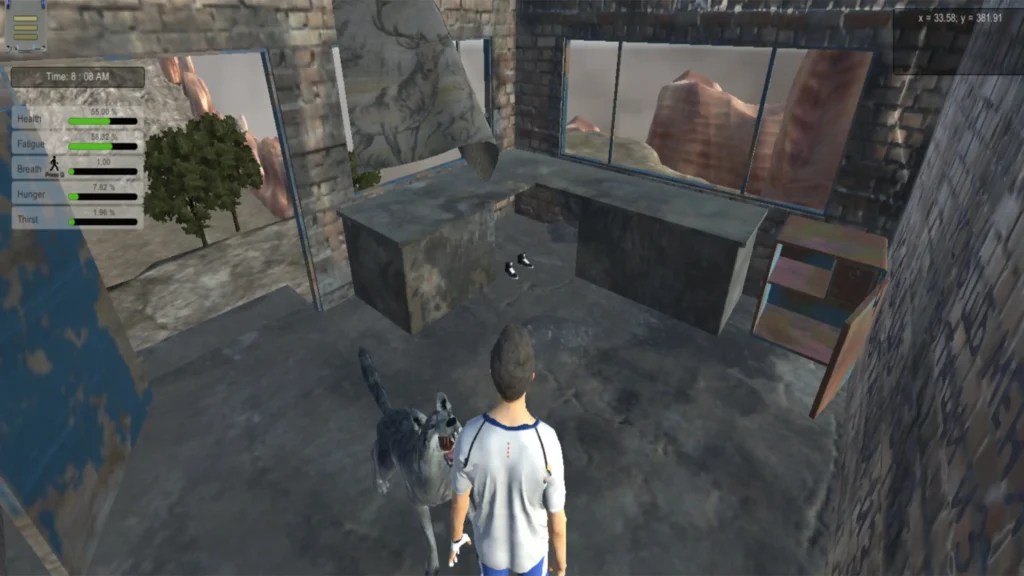
Visually the game punches far above its indie weight. Lighting is the star: every fluorescent tube sputters independently, shadows jitter across crumbling brickwork, and the flashlight’s cone feels almost volumetric without melting my RTX 3060. Enemy design leans body-horror—too many elbows, mouths where mouths shouldn’t be—but never spills into gratuitous gore. The audio, though, is the real MVP. Wear headphones and you’ll track hunter types by their gait: the skitterers make a moist click-click, the bruisers drag a metallic knee implant, and the aerial drones emit a doppler-effect whine that makes you duck in real life. The dynamic soundtrack layers industrial percussion under heartbeat basslines that accelerate with the countdown timer; by the final minute it feels like the score is trying to crawl out of your speakers.
Performance is rock-solid on a mid-range PC: 1080p/90 fps with occasional dips when the maze shifts and the engine has to rebuild the entire nav-mesh in a single frame. The Steam Deck fares similarly; I saw 50–60 fps at 40 W with GPU clocks hovering around 1100 MHz. Console ports are promised for Q3, and the UI already has baked-in controller glyphs, so the groundwork is there. Loading times are under five seconds on an NVMe, courtesy of a clever chunk-streaming system that only keeps your current sector plus neighbours in memory. Crashes happened twice in thirty hours—annoying, but the autosave is every 45 seconds so nothing was lost.
Replay value is off the charts. There are seven playable “subjects,” each with a unique starter gadget that radically alters strategy. Subject 4, the electrician, begins with a rewire tool that lets you hijack security doors; Subject 6, the insomniac, needs half the normal sleep but hallucinates enemies that aren’t there. Daily seeds with leaderboards scratch the speed-running itch, while an optional “Iron Maze” modifier (one life, no crafting benches, maze shifts every 90 seconds) is basically a dare from the developers. I’m 35 hours in and still unlocking new room blueprints and enemy variants; the game keeps feeding me novelty just as I master the old stuff.
Microtransactions? Zero. The $24.99 price tag includes everything, and the roadmap lists three free content packs: co-op mode (two-player escape with shared countdown), a map editor, and a “seasonal” biome that will swap in during Halloween. Compare that to the $70 live-service titles that gate fun behind battle passes, and Survival Maze feels like a meal at the mom-and-pop diner that still gives free refills.
So, should you buy it? If you crave the relentless tension of Returnal but want sessions capped at 40 minutes, this is your new obsession. If you bounced off Souls-likes because you don’t have three hours to reclaim lost souls, the discrete run structure here respects your schedule. Conversely, players who hate timers or permadeath should steer clear; there’s no “chill explorer” mode, and the maze will not hold your hand. Bugs are minor, content is generous, and the core gimmick of a shape-shifting labyrinth never stops being delightful. Survival Maze is the rare roguelike that feels fair in hindsight even when it kills you, because every death teaches a new wrinkle: a safer loop through maintenance shafts, a quieter kill animation, a crafting combo that turns trash into salvation. Mastering those wrinkles and finally stepping into the blinding sunlight of the exit—timer at 00:00:03, backpack empty, heart racing—is as visceral a gaming payoff as I’ve had all year. Bring extra batteries, trust no corridor, and I’ll see you on the leaderboards.
Review Score
7.5/10
Art
Cover Art
Screenshots