
Summary
- Release Year: 2023
- Genres: Indie, Simulator, Strategy
- Platforms: PC (Microsoft Windows)
Dinosaur Simulator – 66 Million Years in the Making, or Still Extinct?
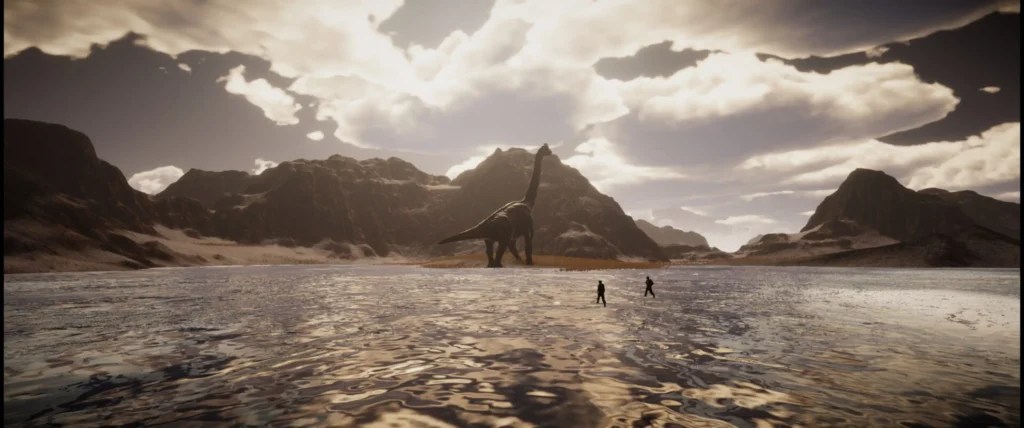
There’s a moment, about ten minutes into Dinosaur Simulator, when the soundtrack drops to a hush, the twin moons of planet Verdantia rise, and a herd of duck-billed hadrosaurs grazes peacefully under your newly-built observation tower. It’s breathtaking—until a raptor pack sprints in, the herbivores panic, and one of them clips through the tower, sending the whole structure tumbling in a cloud of low-poly debris. That snapshot basically sums up the game: equal parts awe and jank, Jurassic Park wonder wrapped in Early-Access jank.
Developer PaleoForge Games (a six-person team in Brazil) clearly adores their dinos. The pitch is irresistible: colonize a freshly discovered planet, piece together 40-odd species from fossil DNA, and give Earth’s most famous reptiles a second lease on life. No shooting, no taming, no laser rifles—just pure ecosystem management. Think Planet Zoo meets Jurassic Park: Operation Genesis, but on an alien world where oxygen levels, day length, and even gravity sliders can be tweaked. It’s niche, it’s ambitious, and after 30 hours guiding my own saurian society, I’m convinced it’s worth your time—provided you know exactly what you’re signing up for.
A Living, Breathing (and Sometimes Glitchy) Ecosystem
Gameplay loop is deceptively simple. You drop a cloning lab, incubate eggs, hatch a starter population, and watch the food chain sort itself out. Every dino has hunger, thirst, stamina, social needs, and—adorably—comfort stats. Struthiomimus freaks out if it’s alone; Triceratops forms protective rings around juveniles; T-rex won’t hunt if its “confidence” is low (basically a courage meter). The simulation is deep enough that you can lose an entire apex population because the local prey got too fast after five generations of natural selection. That’s rad.
The catch? The AI pathfinding is … let’s call it “Cretaceous.” Critters get stuck on rocks, float across empty air, or decide the best water source is halfway across the map through a predator corridor. A day-one patch improved things, but you’ll still micro-manage more than you’d like, luring stragglers with fresh carcasses or physically air-lifting them with the drone (yes, you can yoink a full-grown Spinosaurus like a claw-machine prize). It’s funny the first three times, frustrating the thirtieth.
Graphics: A Tale of Two Eras
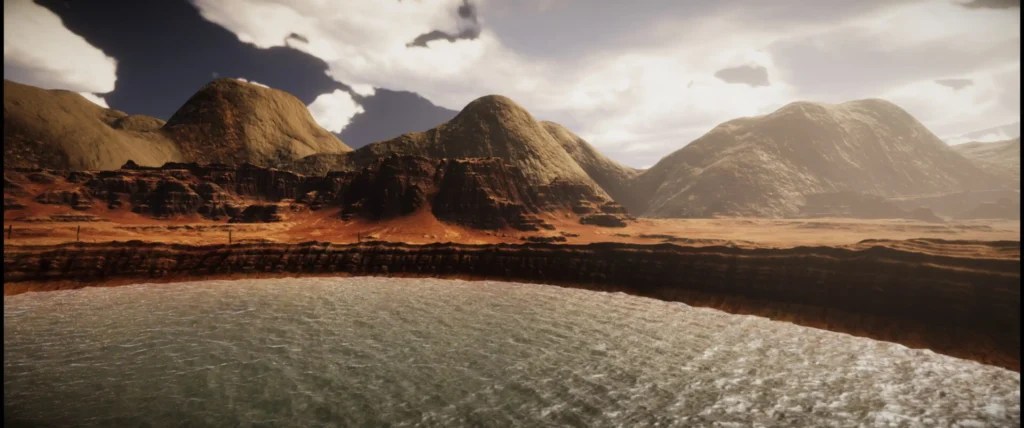
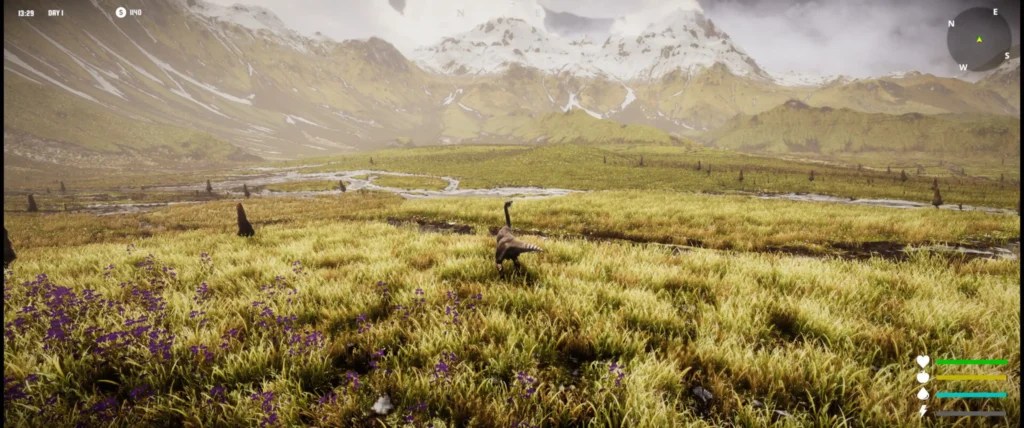
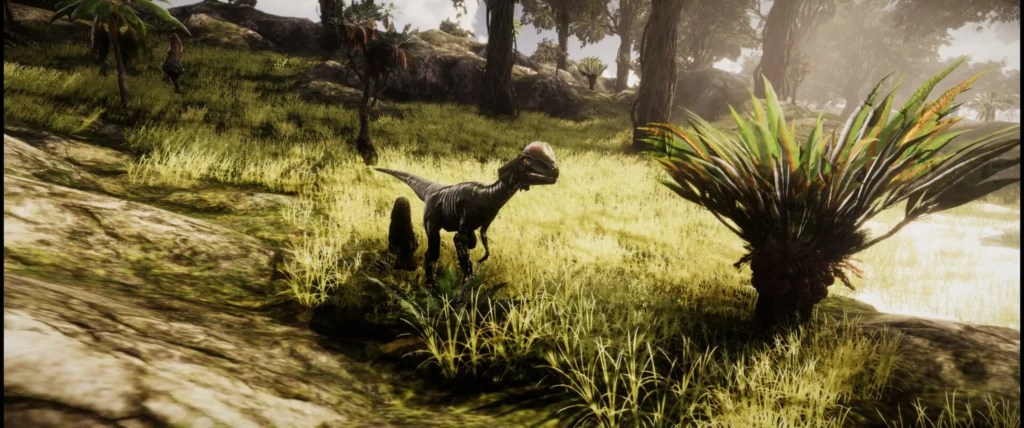
Verdantia is gorgeous—alien purple grass that sways in wind, bioluminescent forests at night, and skyboxes that scream “desktop wallpaper.” Dinosaur models are legit museum quality: feathers on Utahraptor, keratin sheaths on ceratopsian beaks, even asymmetrical color patterns based on real fossilized skin impressions. Zoom in and you’ll see nostrils flare, pupils dilate, and wounds accumulate. It’s the little touches.
Zoom out, though, and pop-in rears its head. Shadows flicker like faulty fluorescent tubes; water reflections stutter; and the day-night transition sometimes snaps so hard you’d swear someone hit a light switch. The game runs on Unreal 5, but my RTX 3070 dipped to 42 fps when three species congregated around the same lake. A quick settings shuffle (shadows to medium, foliage LOD -1) held 60 fps at 1440p, but players on GTX 1060s report sub-30 in busy scenes. Optimization is still on the roadmap.
Sound design deserves applause. Footsteps alter by substrate—mud squelch, rock clack, sand shuffle. Carnivore roars are throaty and intimidating without the Hollywood exaggeration. The soundtrack is sparse piano and strings, evoking that “lonely planet” vibe. Pro-tip: play with headphones to hear distant territorial calls; you’ll actually locate escaped carnivores by following their bellows.
Story? More Like Set Dressing
There’s a paper-thin narrative: Earth’s biosphere collapsed, humanity’s last ark discovers Verdantia, and—you guessed it—clones dinos as proxy keystone species to rebuild food webs. Logs drip-feed corporate conspiracies, but it’s all skippable. The real story is emergent: my first Gallimimus named Greg who survived three predator waves and fathered 27 offspring; the epic turf war between two alpha T-rexes (Ragna and Rexy) that ended with both dying of blood loss on a moonlit beach; the time I accidentally introduced herbivores before vegetation, forcing a Hunger Games scenario where they gnawed bark until the first shrubs sprouted. You’ll write your own tales, and that’s the magic.
Progression and Grind
Progression is tech-tree based. Research points accrue in real-time even when you’re offline, mobile-game style. Nice if you have a day job; annoying if you want to binge. Unlocking apex predators like Giganotosaurus requires roughly 24 hours of real-time waiting—unless you grind side missions (photograph 10 dinosaurs drinking, escort a hadrosaur herd, etc.). Micro-transactions are absent, so the grind is purely time-gated. A community mod already lets you tweak RP multipliers, but achievement hunters will want to stay vanilla.
Once unlocked, dinos aren’t just cosmetic. Every species has ecological stars: grazing pressure, trampling intensity, seed dispersal rating, even nutrient output in feces. Overpopulate sauropods and you’ll turn forests into barren mesas; add too many predators and you’ll crash herbivore genes, leading to inbreeding. It’s ecosystem modeling 101, and the educational tooltip blurbs are straight from 2023 paleontology papers. I learned more about hadrosaur dental batteries from this game than from any documentary.
Replay Value
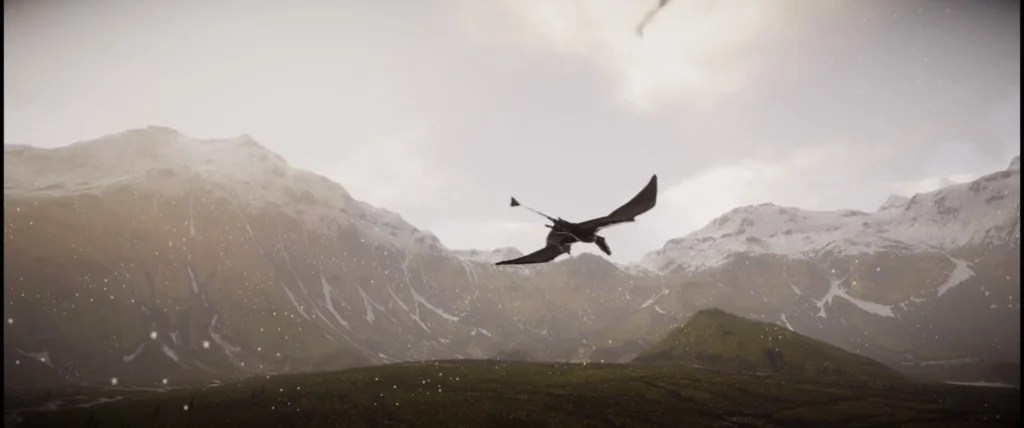
Map generator is robust: sliders for continent size, ocean percentage, mountain ranges. You can randomize gravity (low-grav leaping raptors are hilarious) or crank oxygen to 35% and watch dragonflies the size of eagles populate. There’s also a “Cretaceous Earth” preset with accurate continents, though it’s DLC slated for late 2024. Mod support arrived two weeks post-launch; Steam Workshop already hosts 380 uploads, from feathered T-rex skins to playable pterosaurs (still technically dinosaurs, fight me). Expect long-tail life if the community sticks.
Multiplayer? Sort of. Up to eight players can co-manage the same planet in real time, but latency can desync dino positions, and only the host’s progression saves. It’s fun for sandbox shenanigans—my buddy and I raced to see who could breed the largest hadrosaur—but don’t expect competitive esports.
Performance on Console vs. PC
Currently Steam-only; Xbox Series X|S and PS5 versions are “targeting Q4.” Cloud save works flawlessly between Steam Deck and PC. On Deck, expect 30–35 fps at 60% TDP with mixed settings. Battery life hovered around 2 hours, which is acceptable for a sim. No Switch port planned; the CPU simulation would melt Nintendo’s handheld.
Bugs and the Road Ahead
I hit three hard crashes, two corrupted saves (devs restored them within 24 h via cloud backup), and countless physics hiccups. Patches drop weekly; the last one fixed the “carnivore hunger depletion rate too high” complaint and rebalanced research costs. The public Trello board lists “herding AI refactor,” “DX12 optimization,” and—praise be—“optional offline progression.” Transparency is refreshing; just know you’re buying into ongoing development.
Price Point and Value
At $29.99 USD, Dinosaur Simulator sits in that awkward mid-tier. For dino-obsessed sim players, it’s a steal—cheaper than a museum ticket and twice as educational. Casual gamers might balk when Planet Zoo complete edition goes on sale for the same price. There’s no season pass, all post-launch species are free, and the devs pledged cosmetic-only DLC (alternate skins, decorative fossils). Factor in the Workshop content, and value proposition climbs.
Accessibility
Color-blind filters, full remapping, dyslexia-friendly font toggle, and adjustable simulation speed (down to 0.1x) for motor-impaired players. Subtitles are sizable, but no audio description track yet. One oversight: no pause-on-menu option in single-player, a nuisance when real life interrupts your carefully timed incubation cycle.
Worth Your Time?
If you’ve ever lost an afternoon to Wikipedia’s “List of dinosaur genera,” you’ll forgive the bugs and lose weeks here. The simulation depth, scientific accuracy, and sheer dino-love outweigh the rough edges. If you crave polished, theme-park spectacle a la Jurassic World Evolution 2, wait six months. The roadmap looks solid, but we’re effectively in paid beta.
Verdict: 6.8/10 today, with potential to evolve into an essential niche classic.
Review Score
7/10
Art
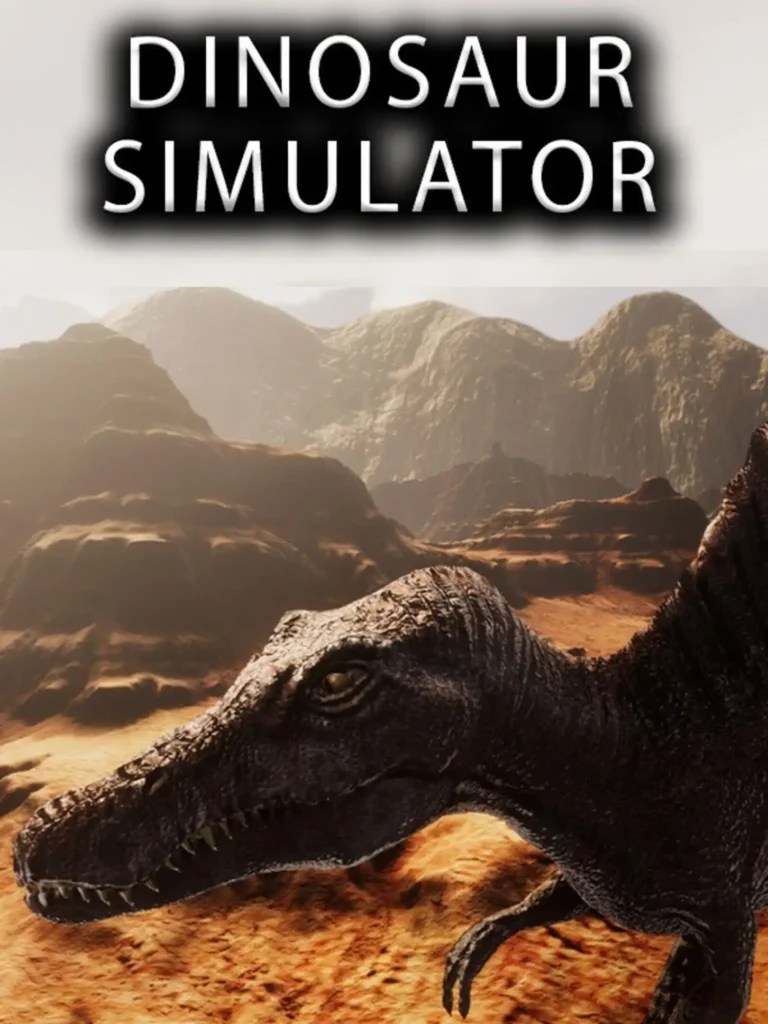
Cover Art
Screenshots